
U.S. Egg Donation 101: Eligibility, Process, Risks & Legal Essentials
Introduction
Egg Donation in the U.S. has been a cross-border issue for women and clinics in Asia in recent years. Whether you are new to this topic or need a quick start on the clinic side, this article will take you step by step through the process. Eligibility requirements, process steps, risk management, and legal compliance of egg donation in the U.S.We are committed to providing every egg donor with the peace of mind that comes with making a decision.
💡 The content of this article is intended to be educational only about the system and process of egg donation in the U.S. Actual medical diagnosis and treatment must still be evaluated and performed by a licensed physician.
Why are more and more people choosing to donate eggs in the US? -Why are more and more people choosing American egg donors? More mature medical conditions, better compensation
In recent years, in addition to the legalization of egg donation in Taiwan, more and more women have begun to consider egg donation abroad, especially in the United States. There are two main reasons for this:
- Mature medical conditions and greater emphasis on safety
The United States is one of the most mature countries in the world in terms of IVF technology, with a comprehensive healthcare system and better healthcare for egg donors. Most clinics are staffed by specialized physicians and healthcare teams to ensure the safety of the procedure and care. - Better compensation system and high economic incentives
In Taiwan, the maximum amount of compensation for a single egg donation is NT$99,000 and is limited to once in a lifetime; in comparison, the compensation (pension) in the U.S. usually falls in the range of US$8,000-20,000 (about NT$240,000-$650,000), and a person can donate eggs up to six times. For some, it is not only a way to help others fulfill their dreams, but also a reasonable reward for their own efforts.
Who can become an egg donor in USA? -Who can be an egg donor in the U.S.?Age 20-32, in good health, non-smoker, non-alcoholic
There are some basic health and lifestyle requirements that need to be met in order to become an egg donor:
- Age: Usually between the ages of 20-32.
- Health Status: No chronic diseases, no major genetic diseases, and a BMI of 19-25.
- habit: No smoking, no alcohol, no illegal drugs.
- State of Mind: Be able to pass a psychological assessment and have the ability to cope with the stresses of the treatment program.
- Other conditions: Some clinics may make reference to physical appearance, academic qualifications or specialties, etc., which may affect the speed of matching.
What is every step of the egg donation process? -Registration, Screening, Matching, Medication, Surgery in the U.S., Post-Operative Care
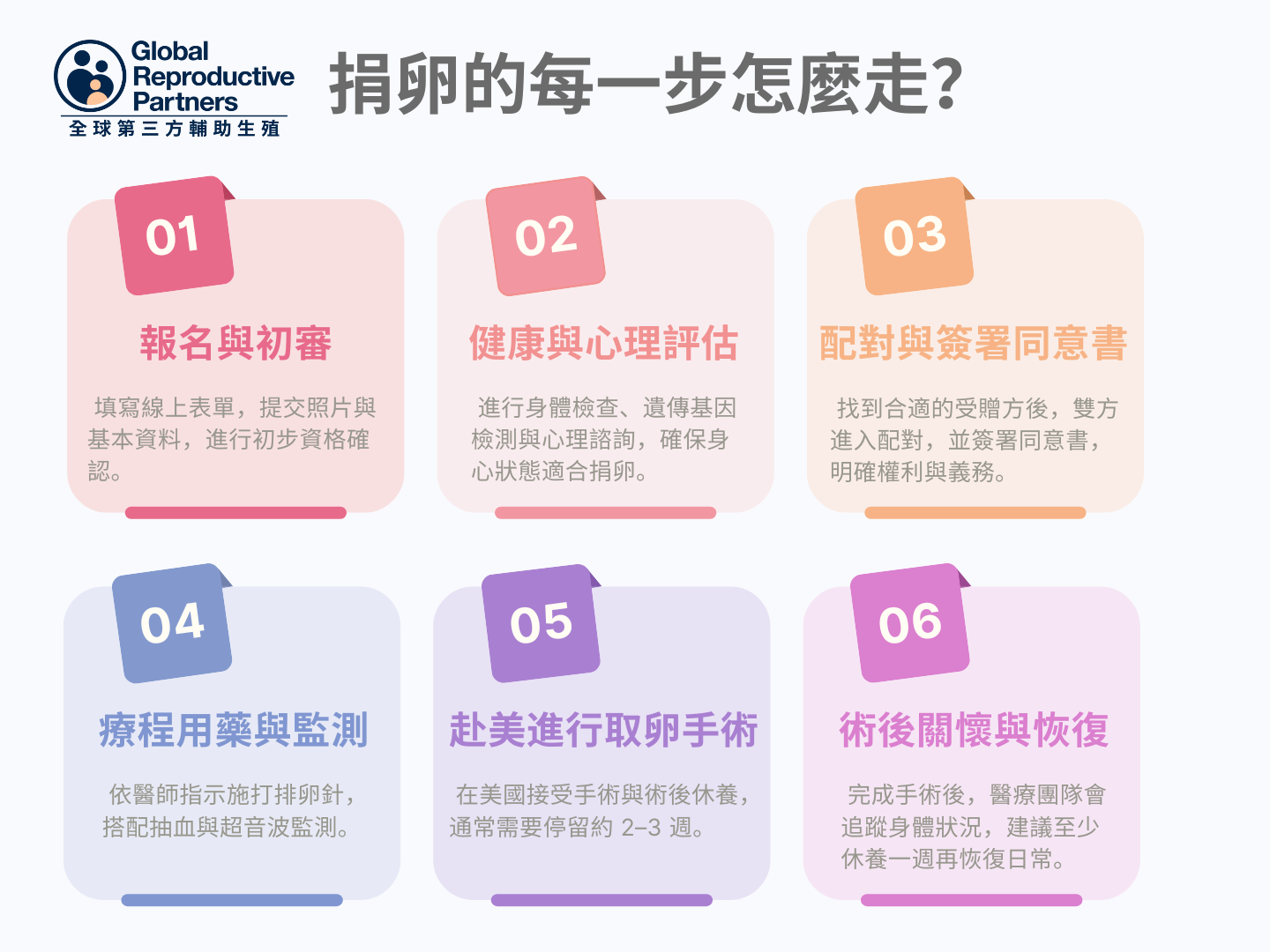
Safety First: Egg Donation Risks and Protection Mechanisms
- TimetableThe entire egg donation process requires a complete schedule of monitoring, retrieval, and post-operative recuperation to ensure that the full treatment plan is met.
- Risks and safety precautions (most of the symptoms will improve at the end of the procedure and there will be no after-effects of egg donation):The egg donation process may be associated with side effects or risks, such as bloating, dizziness, discomfort at the injection site, Ovarian Hyperstimulation Syndrome (OHSS), and risks associated with surgery and anesthesia. Most of these conditions can be minimized with professional monitoring and care, but it is important to be well informed and prepared.
- Privacy and PreparednessEgg donor status will be protected, but the process can be emotionally taxing. It is important to carefully assess your physical and psychological state and readiness before making a decision.
Cross-border regulations and process reminders
- U.S. System DifferencesState Laws: State laws vary, and compensation rates and limits on the number of donor eggs must be confirmed by the state in which you live.
- Asian countries have different lawsFor example, according to the regulations, Taiwanese women can only donate eggs once, and it is anonymous.
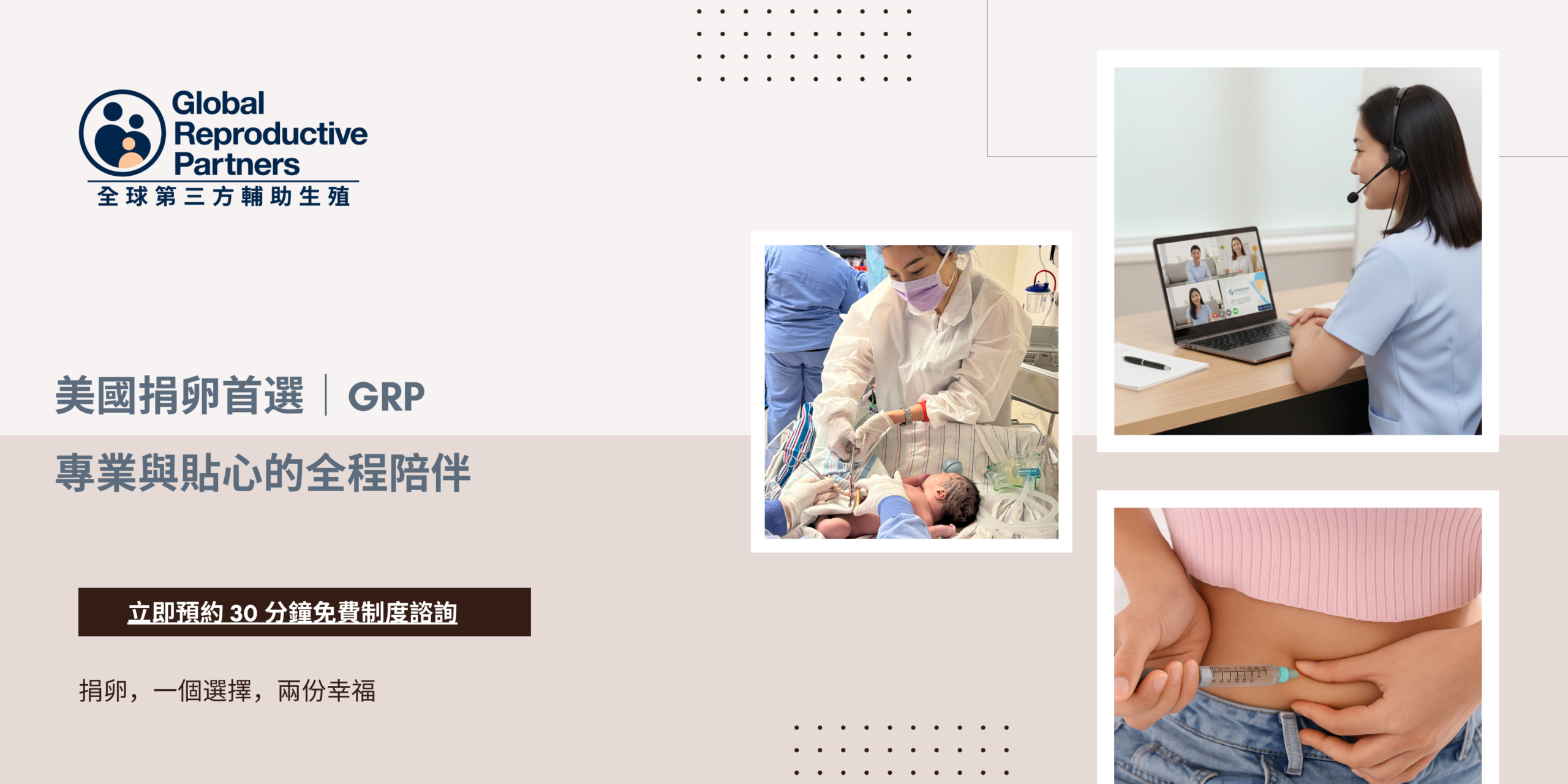
We understand that egg donation is a special and important journey. Therefore, we do not only emphasize on the compliance and safety of our system, but also put the feelings of our donors in the first place, and we are committed to providing the following services Security, privacy and comfort The complete experience of the
By choosing GRP, you will not only avoid the risk of opaque information, but also have a complete understanding of the process and regulations with the help of professional consultants, so that you can have a safe and wonderful egg donation experience while helping others.
⚖️ The content of this article is intended to provide educational information about the system and process of cross-border egg donation and to assist the reader in understanding the relevant background. If personal health or medical judgment is involved, the professional advice of a licensed physician should be followed.